Why is there a protest around a single filing in Staten Island?
There's lots of chatter around a single new filing in Staten Island, see initial news and organized protest, including a Mayoral candidate.
What's happening at 65 Uncas Avenue?
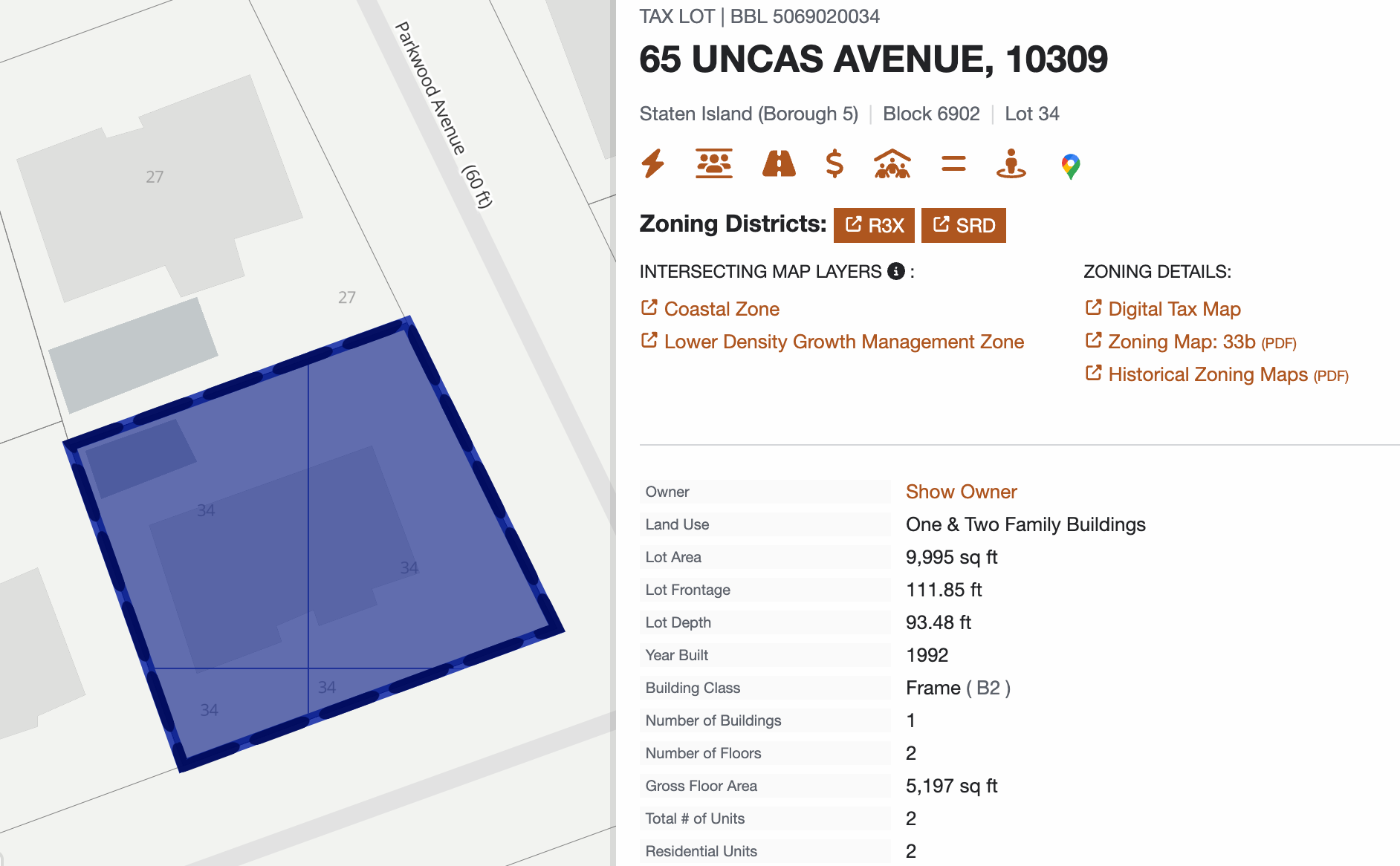
A developer asked (see filing 520471891) for a lot split, taking the zoning lot from one to five tax lots, and from two dwelling units to (likely) ten, more on that below.

A key motivation for this lot split seems to be that this lot is a "qualifying residential site" (QRS) under the new City of Yes zoning:
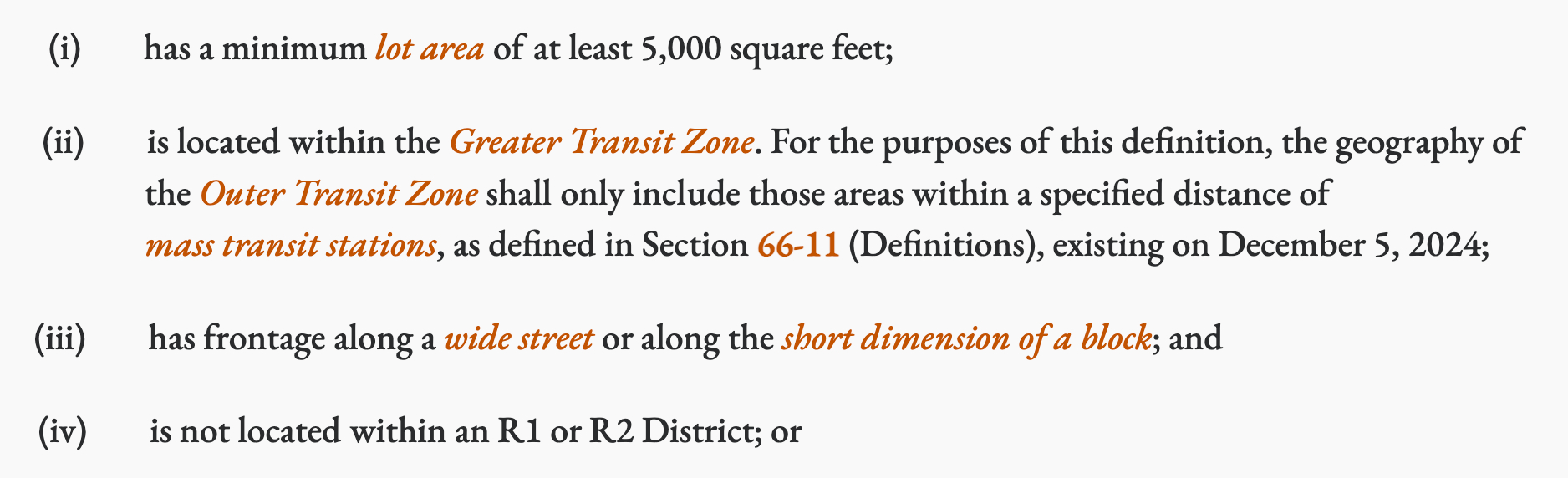
As a QRS, the lot now allows increased density and reduced setbacks:
- FAR goes from 0.75 to 1.0
- Side yards go from five feet on each side to zero feet.
Likely, the developer is saying: "This could've been divided before, but we couldn't have gotten enough units out of this. But now, we can obtain 10 (maybe 15 units), and this pencils out".
So how many units would we see? This is a 10,000 sqft lot, and with an FAR of 1.0 and a dwelling unit factor (DUF) of 680, we might (in theory) see up to 15 DU. The building code gets trickier after 3 units, so the developer likely prefers 2-DU buildings, maybe with added accessory dwelling units.
The neighborhood is changing
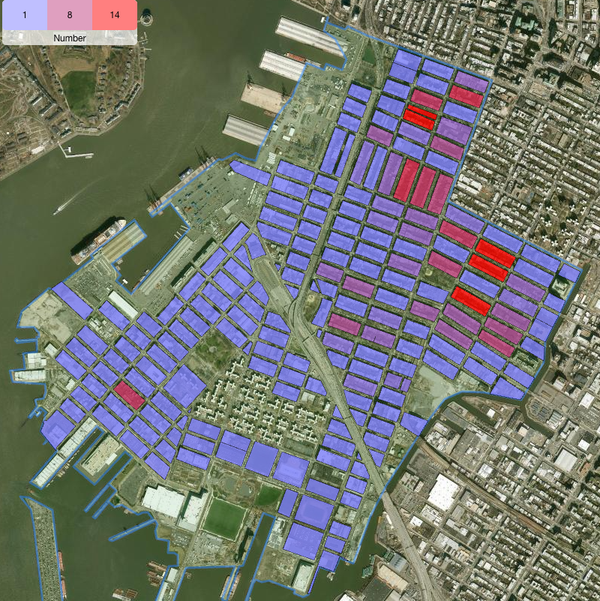
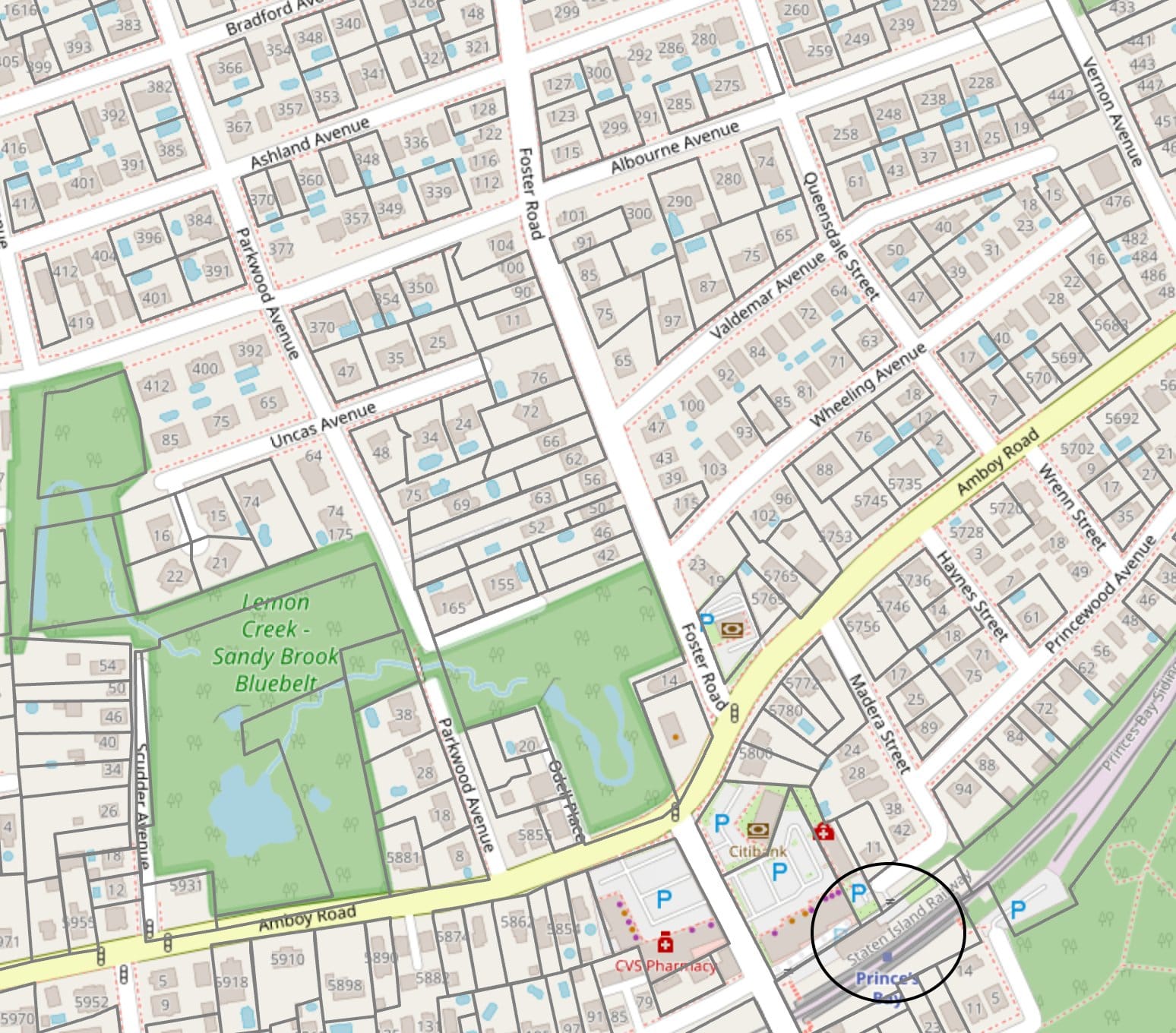
There is a sense in which the protesters understand something crucial: This can indeed change the neighborhood, because a large number of lots qualify for QRS. In the map below (from our sister site ZonedInsights.com), we show lots that likely qualify for conditions (i, ii, iv). That's almost all the lots, because lot sizes are so large in this neighborhood. Out of all those lots, all the ones on the short dimension of a block should qualify for QRS, and thus for similar lot splits as 65 Uncas.
Is this a wider trend?
A quick analysis tells us: Not yet, or at least not a big trend.
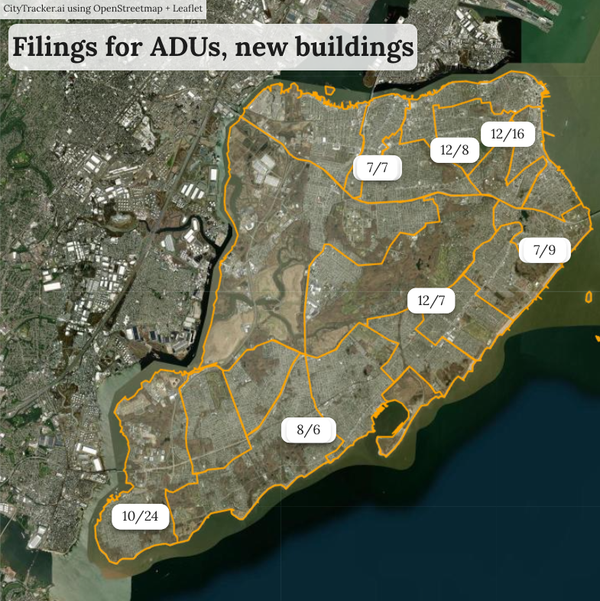
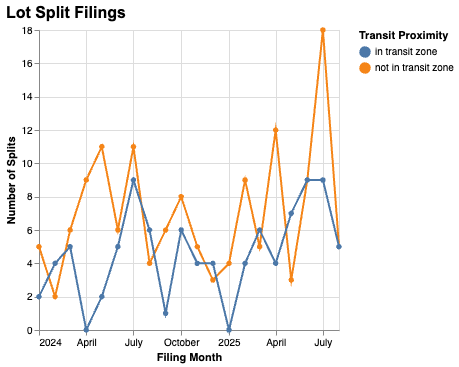
Below, we use a similar logic as in the map above: We filter to lots that satisfy most of the criteria (i, iv). To gauge if we see a lift from City of Yes we compare lots within the transit zone to lots outside of it. This isn't perfect, since we're still missing condition (iii, around street width or block length), but should give us a rough signal.
Overall, such events are rare: In a given month, we see less than 10 lot splits that could plausibly qualify under QRS, and we don't see a large uptick.
Our takeaway: This could be important!
How important is this single lot split? The answer: It's too early to tell, because we don't have market signals. But it could potentially bring big changes if:
- The lot split gets approved
- The units gets developed
- And sold at good-enough prices
If that happens, then the race to find qualifying lots is off, and quiet neighborhoods like this R3X zone in Staten Island are likely to see big changes.